2026 AI Shifts... and what they mean for business
In the first shift, we saw how Generative UI reshapes the interface itself - moving from fixed screens to experiences that adapt in real time around people and their needs.
But once the interface can change, the next question is: what is it actually responding to? This second shift goes deeper. It looks at how AI begins to understand and anticipate the real world - not just what people say, but what is likely to happen next - and how that changes the way businesses make decisions, design environments and deliver services...
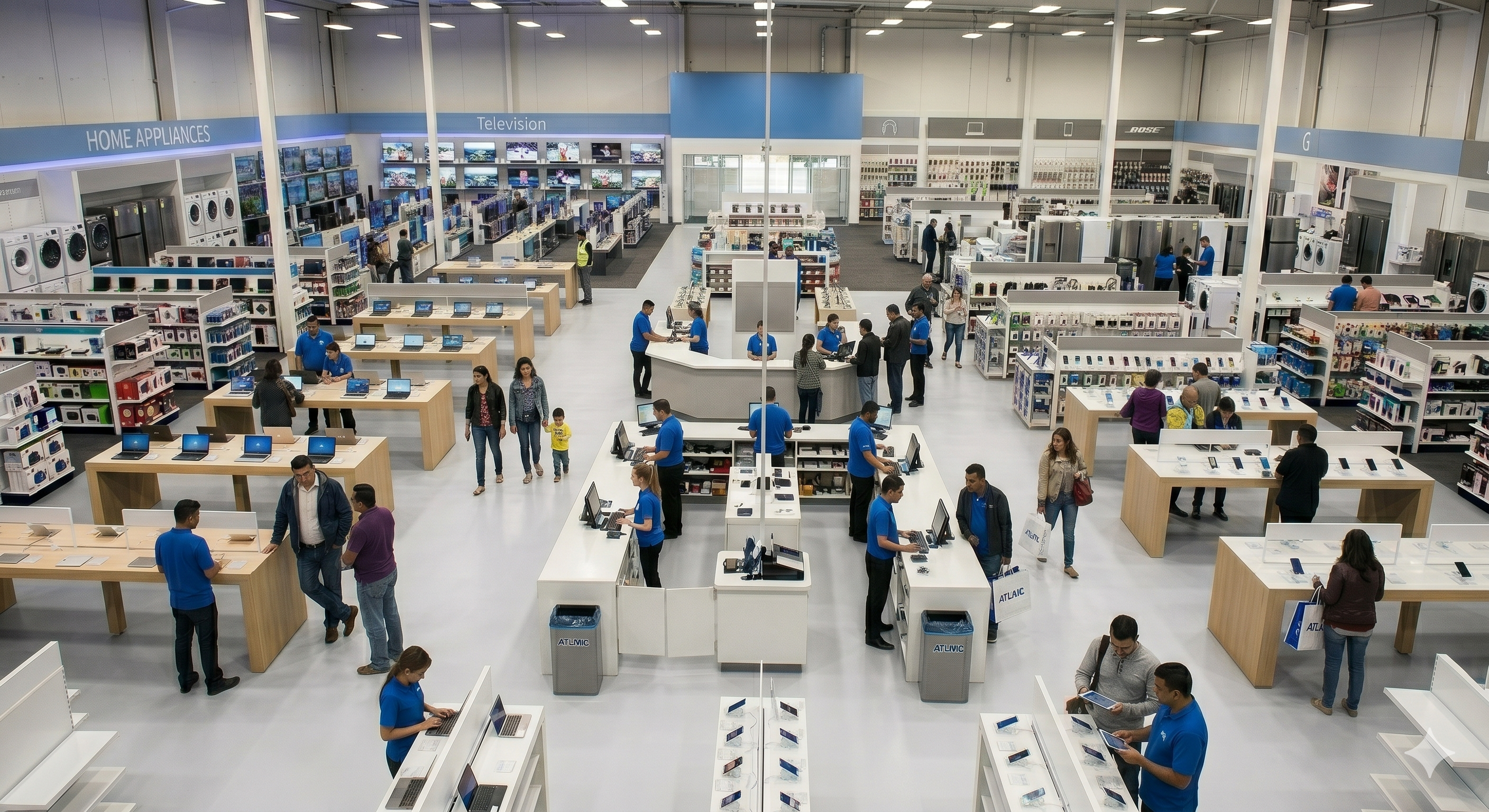
Imagine you run a shop and have an idea for a new layout. Before a single aisle, sign or product is moved, your AI world model shows you how shoppers would actually move through the new space — where they slow down, where they bunch up on a busy Saturday, whether they see the products you want them to notice. You go with the recommended adjustments, and on opening day the shop feels considered and spacious rather than busy and accidental, sales increase and satisfaction goes up, and you can trace exactly why.
Until recently, AI worked almost entirely with language. It generated responses based on patterns in text, without a model of the physical world those words described. AI world models change this. They build an internal picture of space, movement, cause and effect. They move AI from describing the world in words to modelling it in space and time, and from looking backwards to looking ahead.
Now businesses can see the likely outcomes of decisions before they commit, and test scenarios virtually rather than learning through expensive failure. They can detect the problems that used to damage operations and customer relationships before they arise, making companies more resilient. They can launch products and services designed to adapt to changing physical conditions in real time. The potential is particularly transformative in sectors where experiences play out in the physical world over time: healthcare, retail, transport and logistics, and high-stakes services where a single bad moment undoes months of goodwill.
The first mistake is assuming the technology only matters for robotics, advanced engineering and high-end manufacturing, when it can be applied to physical service businesses of almost any kind. The second will be treating these as executive planning tools, ending up as data in a leadership presentation, rather than as tools that help everyone working with the physical business make better decisions.
People won’t act on a prediction they don’t trust. A visualisation that overwhelms is annoying. Big decisions will still need human judgement taken into account. Designing the experience is key to getting value from AI world models. The behavioral and experiential complexity needs to be addressed, and to be addressed it needs to be designed.
We identify where AI world models will create maximum value for a business. We design the experience to be understandable, easy, and delightful. We work integrate new solutions with a company’s existing data, tools and processes. Then we iterate and improve, constantly asking one question: are people now making better decisions?
hello@native.com
Eliot Salandy Brown, AI Director
Ben Cotton, Technology Director
We collect anonymous data from your visit to native.com to help improve our website.
For more information, please see our Privacy page.